
Courses/Communication/Assertiveness Skills and Techniques
Assertiveness Skills and Techniques
A scenario-based e-learning course on assertiveness — saying what you mean and holding the line, without tipping into aggression or retreat.
 ▶ Preview the course
Overview
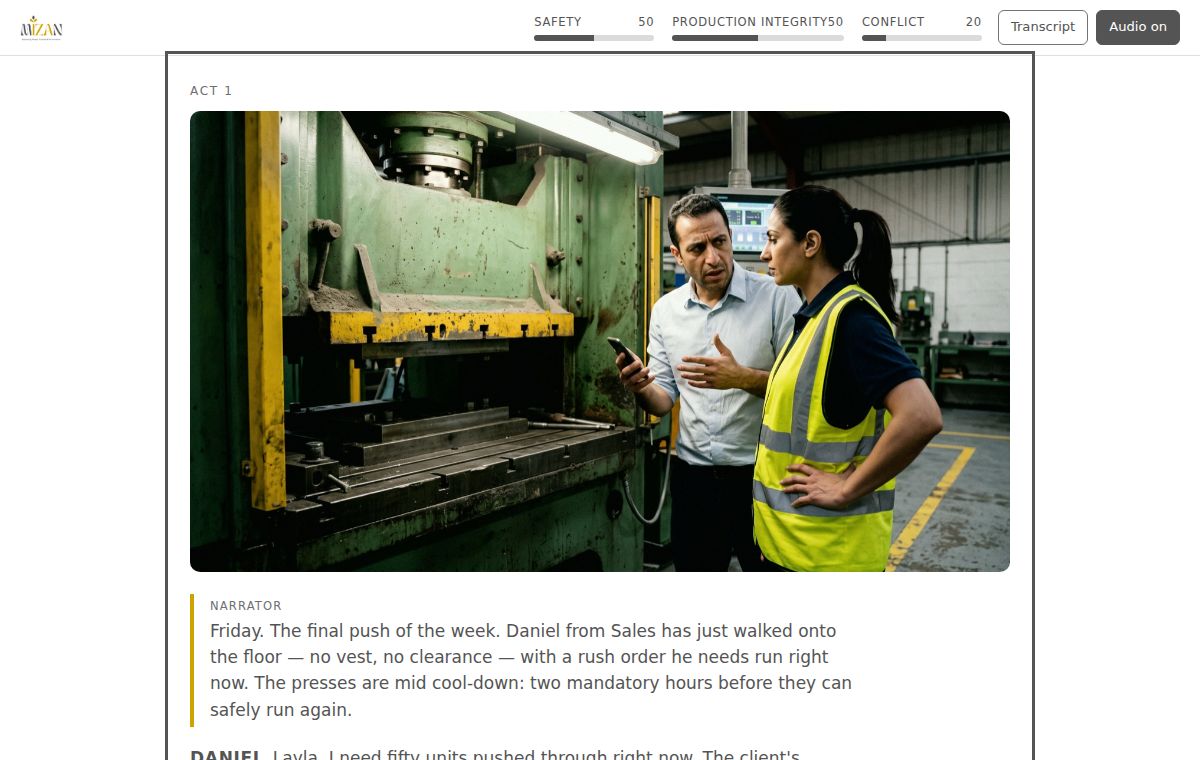
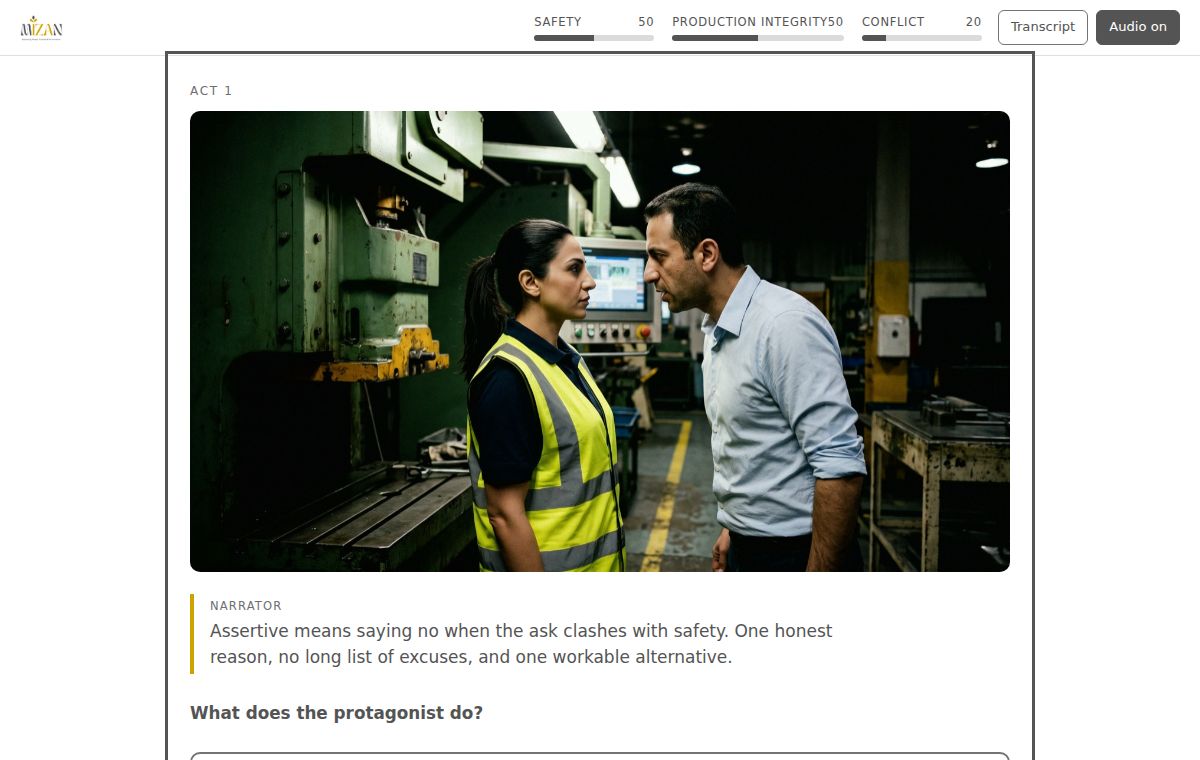
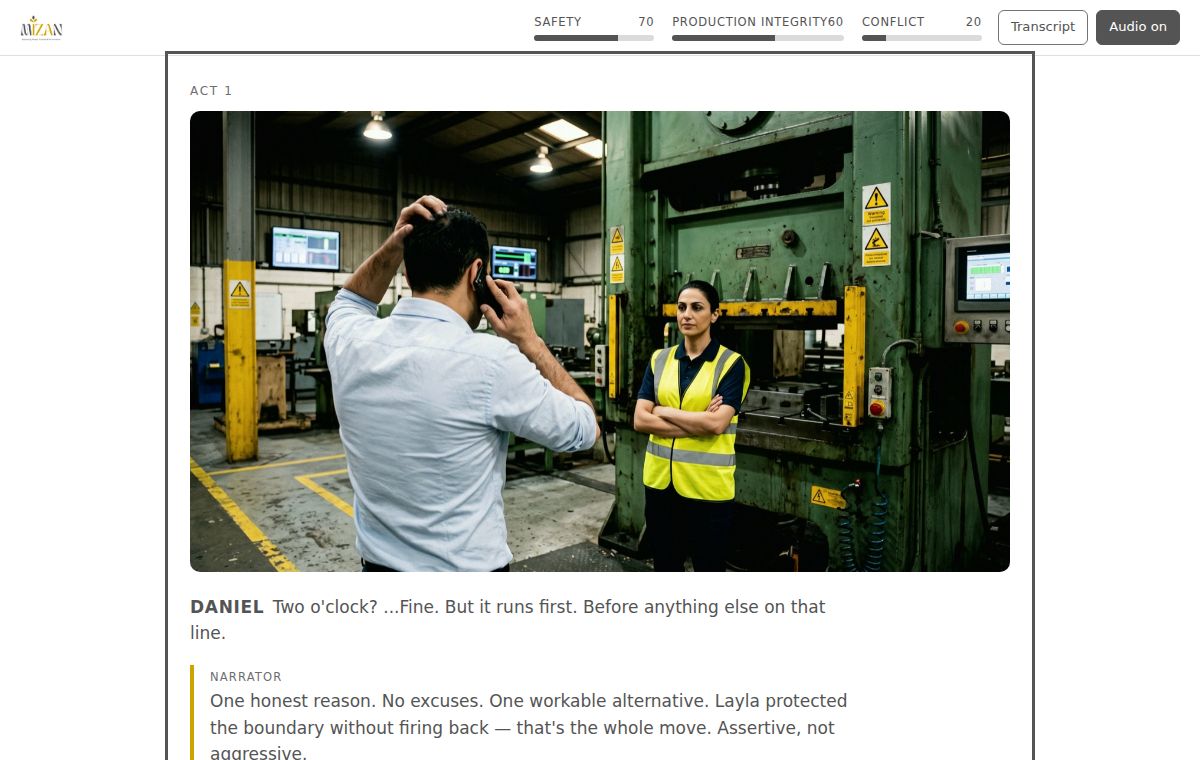
A scenario-based, self-paced e-learning course on assertiveness at work. Learners step into the moments where it is hard to speak up — making a request, saying no, handling criticism — choose how to respond, and watch what it wins or costs, then learn the assertive move that holds. Delivered as a SCORM 1.2 package for your LMS, with completion tracking.
Format. Self-paced, scenario-based e-learning. SCORM 1.2 — upload it to your LMS and completion tracks automatically.
Runtime. About 9 minutes of learner time, in one sitting. Measured from the narration in the package at the speed it plays, plus the time to read and answer what is on screen. It assumes you listen rather than reading ahead; times vary with the path you take and how fast you read.
Who it is for. Any organisation that wants to run this as self-paced learning; suitable for employees at any level.
What learners take away
- Identify what assertiveness is and how it can benefit them
- Recognize four types of behavior in relation to assertiveness and their components
- Apply assertiveness strategies and techniques
- Draw up a plan to develop their assertiveness skills
Course outline
Defines assertiveness and covers rights and responsibilities, when to use it, its benefits, and the barriers that stop people behaving assertively.
Participants complete a self-assessment questionnaire and examine four behavior styles — passive, aggressive, passive-aggressive and assertive — through their components: thoughts, emotions, communication and conduct.
Recognising and challenging the thinking patterns that lead to passive or aggressive behavior.
The 3 Cs of assertive communication, a four-step method for making assertive statements, types of verbal assertion, non-verbal communication, words to avoid, and scenario role play.
Applying assertiveness to everyday situations: making requests, receiving and handling criticism, saying no, giving feedback and disagreeing with someone.
Learners start a personal assertiveness action plan and review further ways to keep developing the skill.
What you get
SCORM 1.2 package
A self-contained course you upload straight to your LMS — no installation, no dependencies.
Completion tracking
Reports status and completion back to your LMS like any SCORM course.
Scenario-based
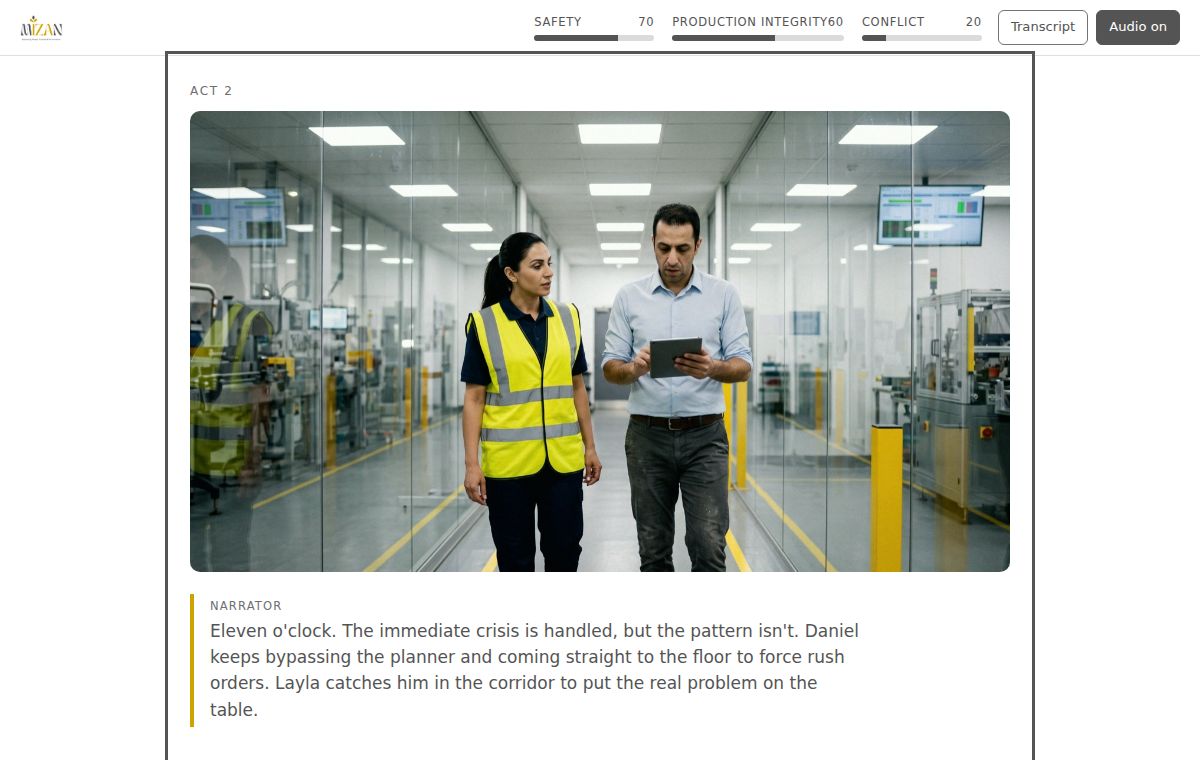
Learners make real decisions inside a workplace story and see what each choice costs.
Per-organisation license
Host it for unlimited internal learners — one-time purchase, no per-seat or renewal fees.
The license in one sentence
Buy once and host the course on your own LMS for unlimited internal learners — no per-seat and no renewal fees. You may not resell or redistribute the SCORM package itself. Full license terms
More in Communication
View allActive Listening Skills
A scenario-based e-learning course on listening well under pressure.
Difficult Conversations at Work: Skills for Managers and Leaders
A scenario-based e-learning course on handling difficult conversations at work.
Giving & Receiving Feedback in the Workplace
A scenario-based e-learning course on giving and receiving feedback that actually lands.